FaQs about EMDR Therapy in Connecticut
Frequently asked questions.
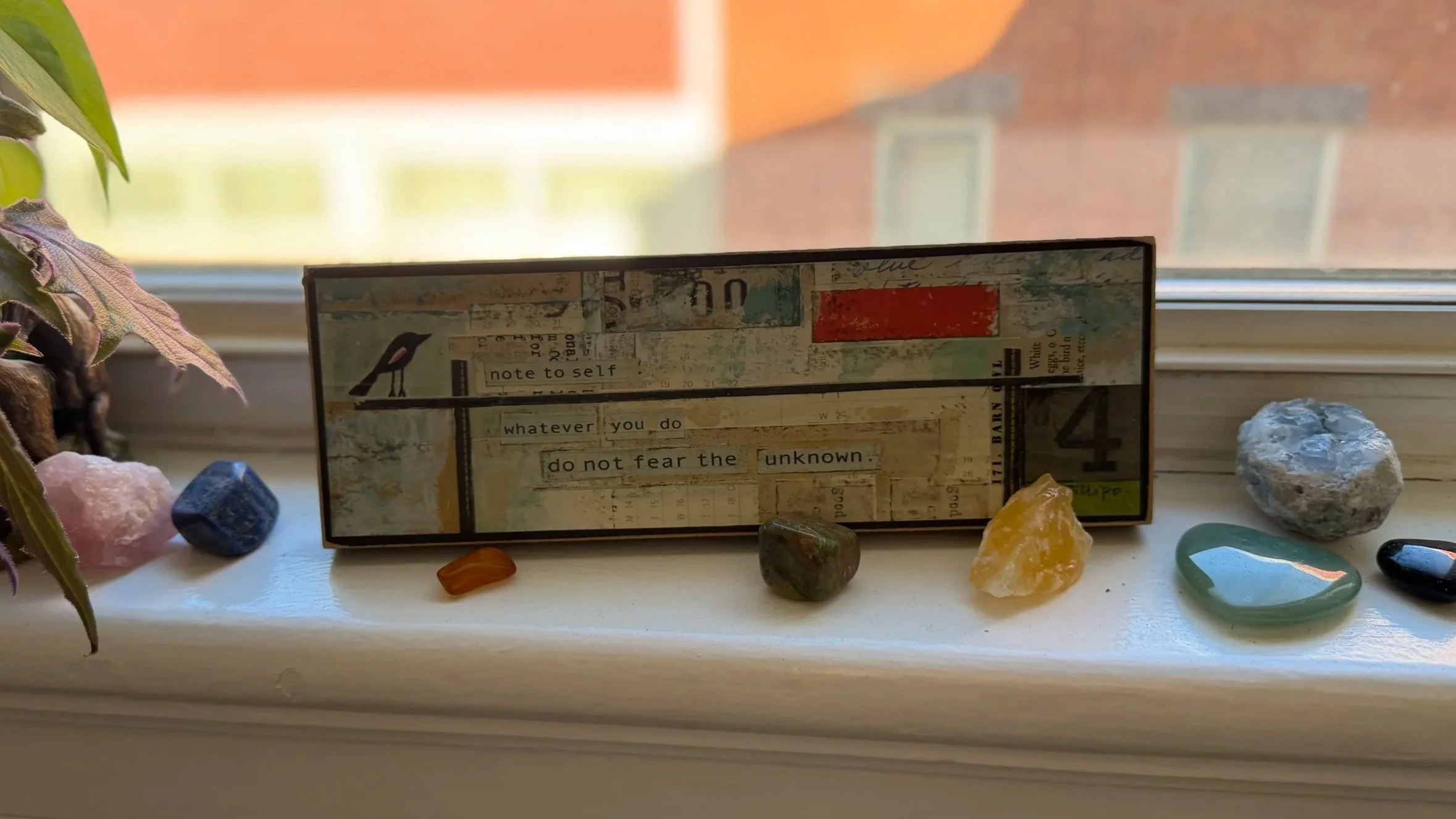
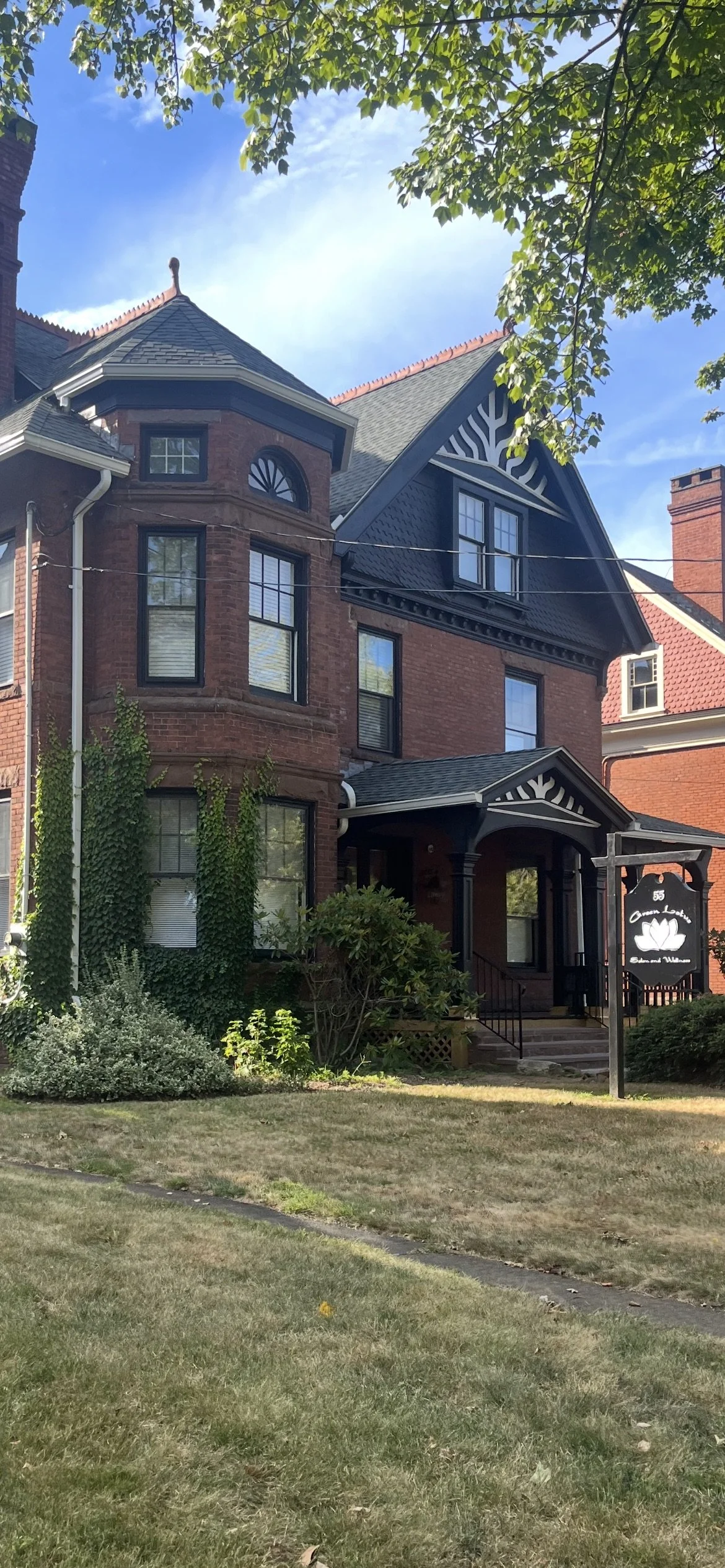
Entrance
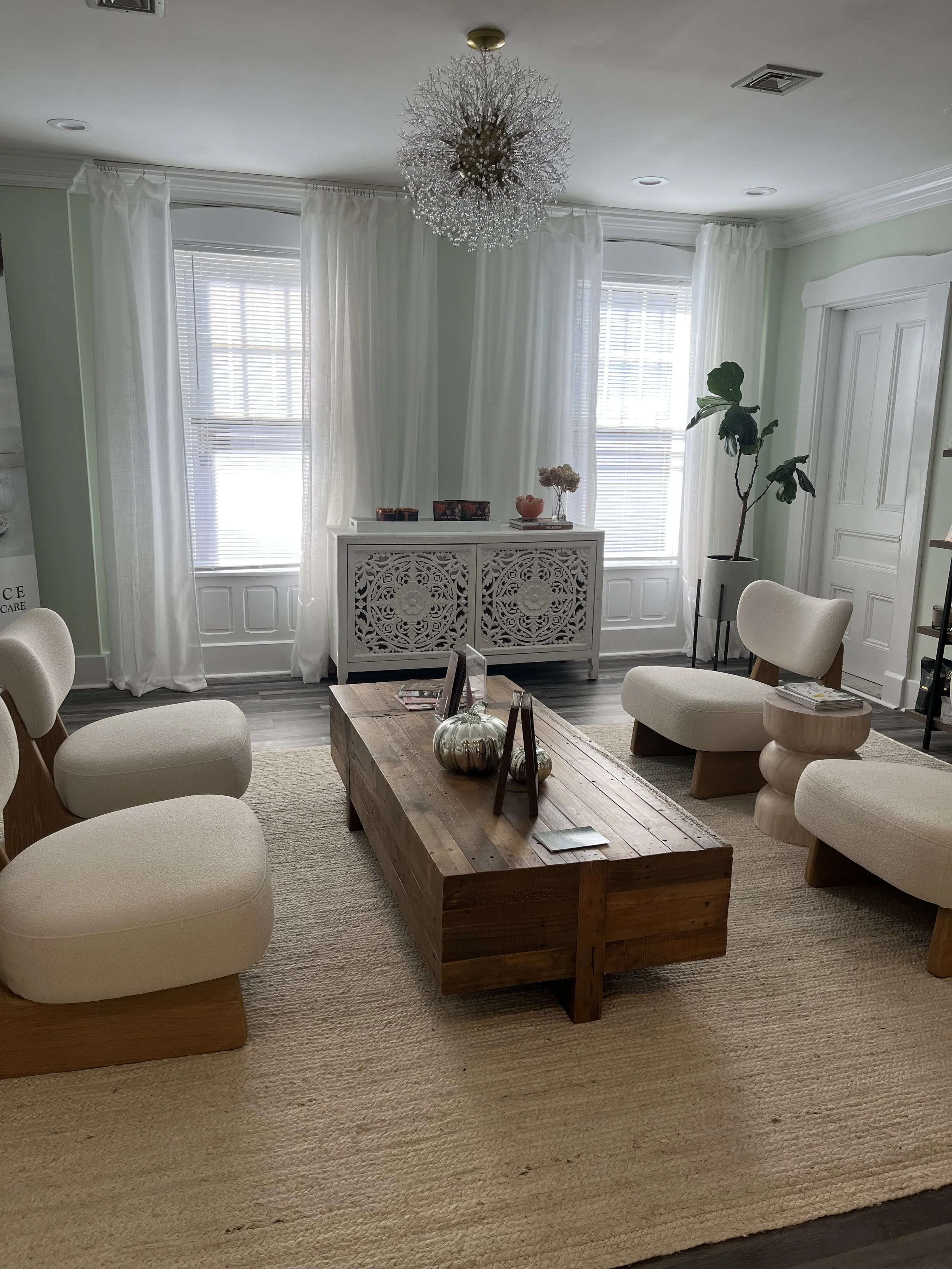
Waiting Room
-
Where is your office located?
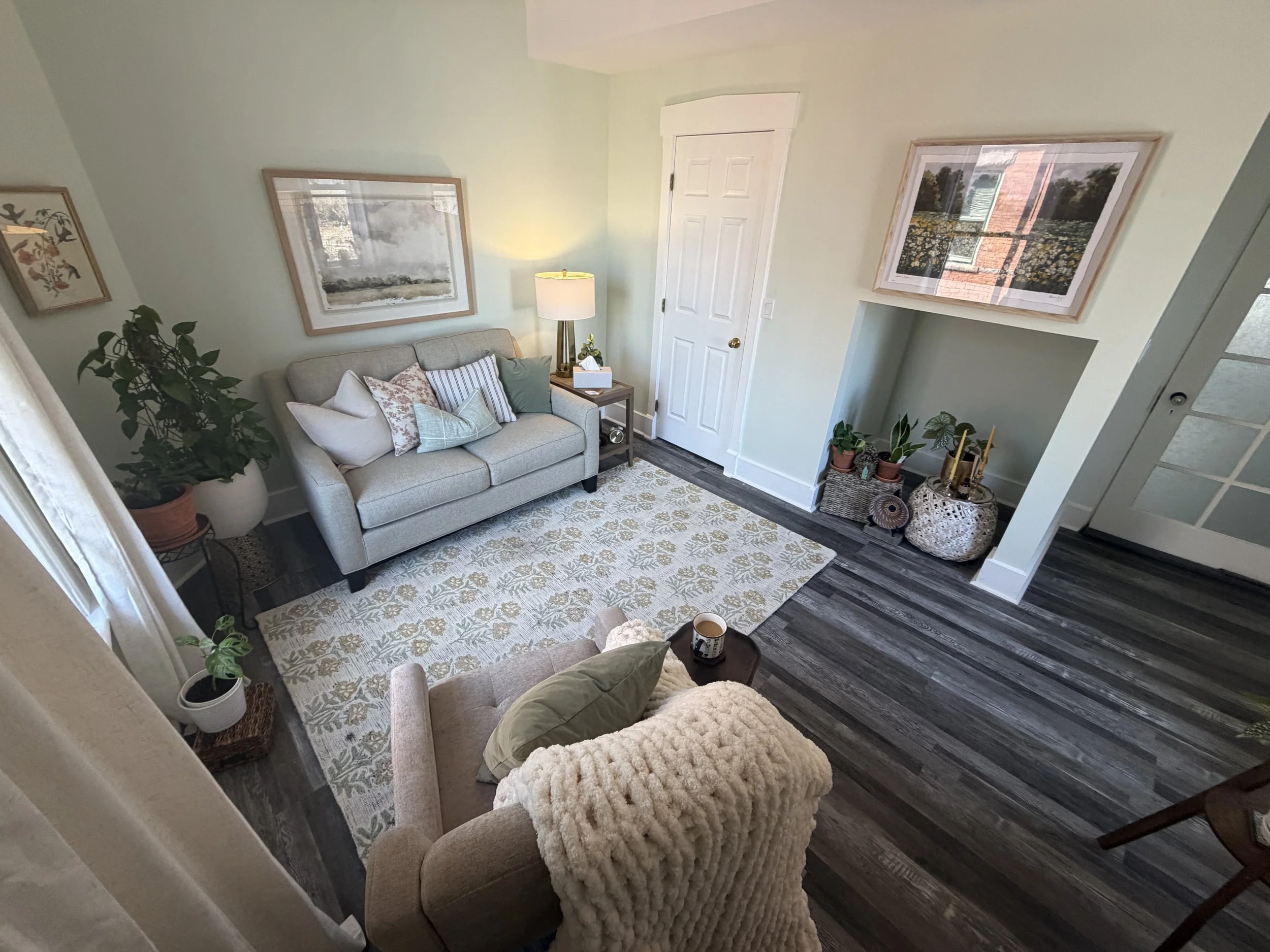
My office is located in New Britain, CT, inside a charming 1885 brick Victorian house across the street from the Museum of American Art. I’m on the second floor of Green Lotus Salon and Wellness, a peaceful, welcoming space designed to support healing and reflection.There is ample free street parking available on both sides of the street, as well as an additional parking lot behind the house for your convenience.
When you arrive, you can come up to the second floor and make yourself comfortable in the waiting area. There are gender neutral restrooms on the first and second floor.
-
I offer flexible formats because I believe the structure of therapy should fit the work, not the other way around.
More about how I work.Options include:
Initial consultation. 25 minutes | No charge. We talk through what's bringing you in, what you've already tried, and whether this approach resonates. No pressure, no commitment.Intake session. 90 minutes | $300. We explore your history, your patterns, and what you're hoping shifts. This is where we start mapping the work and decide together what format makes sense to begin.
Weekly session. 50 minutes | $200. Consistency, safety-building, and week-to-week integration.
Extended session. 120 minutes | $500. For when you're ready to stay with something longer than a standard hour allows.
Intensive session. 180 minutes | $750. For making significant headway on a specific pattern or stuck place. The most runway for your nervous system to process and settle.
We'll decide together what format makes the most sense after the intake. And as the work evolves, the format can too.
-
I am primarily a private pay, out-of-network provider. I'm happy to provide you with a superbill for potential reimbursement from your insurance company for regular sessions if you have out-of-network benefits.
I do accept Cigna insurance for standard 50-minute therapy sessions. -
I do both telehealth and in person therapy. My office is in New Britain directly across the street from the Museum of American Art.
-
Yes and no. I am licensed in Connecticut and can only provide therapy to clients who are physically located in Connecticut at the time of our sessions, including virtual appointments.
If you live out of state and are interested in working together, you are welcome to travel to Connecticut to participate in EMDR intensive sessions over one or more days. This can be a helpful option for those seeking focused, in-depth work within a shorter timeframe.
If you’re considering this option, feel free to reach out and we can discuss whether it might be a good fit for you
Nuts and Bolts
Therapy Questions:
-
You share a bit about what's been going on and what you're hoping for. I share a little about how I work. We both get a sense of whether there's a fit. If it feels right, we'll talk about next steps. If it doesn't, I'll do my best to point you the a direction of a trusted colleague that might be more helpful.
-
We start with a 90-minute intake session. This is where we go deeper. We'll explore your history, your patterns, what you've already tried, and what you're hoping shifts. By the end, we'll have a clearer picture of the work ahead and we'll start mapping out a format that makes sense for your life and your goals.
-
Readiness is less about a perfect moment to start and more about exploring your capacity. We will explore your readiness together and meet you where you are at. When we do EMDR we don’t jump right into working on old experiences that are keeping you stuck. We have some time to plan/prepare and make sure you are ready in mind and in body.
Some helpful considerations:You feel stable enough in your current life (even if you still feel anxious or overwhelmed at times).
You’re able to notice your emotions without feeling completely flooded by them.
You have some coping tools that help you steady yourself when things feel intense.
You’re motivated to work on specific memories, patterns, or triggers that feel stuck.
You’re curious about deeper change, not just insight.
If you’re unsure, that’s completely okay. A consultation call can help clarify whether EMDR feels like the right next step for you right now.
-
This is one of the most common questions I get, and the short answer is no. EMDR is extraordinarily effective for what I often call the quieter wounds: the slow accumulation of messages that told you your needs didn't matter, the enmeshed family dynamics, the chronic stress of always being the responsible one. You don't need a single defining event. You need experiences that are still shaping how you move through the world today. That includes growing up in a home where you were responsible for managing the emotional world around you, long before you were old enough to understand that wasn't yours to carry. We work together to identify and understand what those experiences may be.
-
That's completely okay! We can start with regular weekly therapy sessions to build safety, connection and prepare for deeper work. Weekly therapy and longer therapy sessions both have their time and place, we explore which format meets you where you are at,
-
While traditional talk therapy helps you understand your experiences, EMDR works directly with your nervous system to help your brain and body release stuck esponses. This often provides faster, more lasting relief from triggers and intrusive thoughts. Talk therapy lays the foundation and EMDR helps it integrate!